Many radiology groups overpay for PACS because they accept fixed storage tiers instead of matching cost to actual study volume. Pay-per-study pricing shifts the math from shelf space to case count, so the right platform can cut monthly bills or expose hidden overages. Your choice between ProtonPACS and Medicai will now settle whether every scan pays its own way.
By the end of this article you will see the exact line items each vendor charges, how each system stores and shares images, and the workflow steps that add or remove fees. You will also know which practice profiles match Medicai and which match ProtonPACS, so the final verdict can be a single sentence rather than a spreadsheet.
Quick Verdict: Pay-Per-Study Pricing Showdown
Pay-per-study pricing and fixed subscription models deliver different cost curves once study volume exceeds 1,000 exams per month.
ProtonPACS usage-based rates are typically $2 to $4 per study. This structure works for smaller imaging centers that handle fewer than 125 exams monthly.
Medicai Starter plan costs $249 per month for 500 GB storage capacity. This flat rate becomes advantageous as monthly volume increases beyond 1,000 studies.
Organizations processing high study volumes benefit from Medicai fixed monthly pricing. The subscription model eliminates per-exam fees that accumulate under usage-based systems.
Research suggests clinics handling 2,000 monthly studies achieve substantial savings when switching from pay-per-study to subscription pricing. Medicai processes over 1 million studies yearly across its platform.
Cost-per-study threshold favors Medicai once monthly volume exceeds 125 exams. The platform stores over 1.7 million imaging studies while maintaining HIPAA and GDPR compliance standards.
At a glance: how Medicai compares to ProtonPACS on the features that matter most.
| Feature | Medicai | ProtonPACS |
|---|---|---|
| Pay-Per-Study Pricing | — | ✓ |
What Is Medicai?
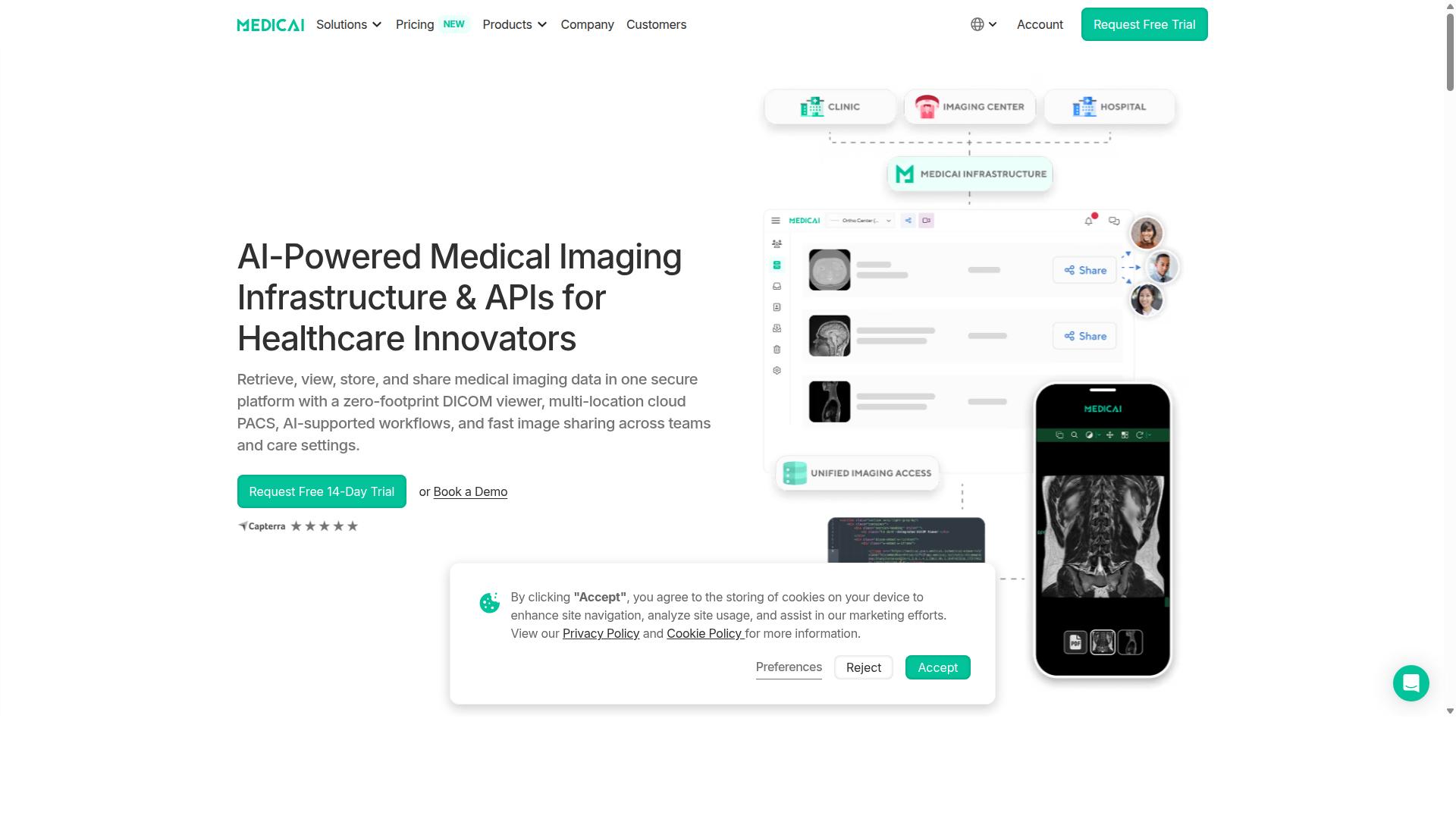
Medicai is a cloud-based medical imaging platform that consolidates retrieval, viewing, storage, and sharing into a single HIPAA-compliant workspace. The solution delivers a zero-footprint DICOM viewer that requires no local software installation on clinical workstations.
Healthcare teams can access studies from any web browser while maintaining data security standards required for medical environments. This architecture removes traditional barriers associated with on-premise PACS deployments.
The platform supports multiple imaging modalities commonly used in diagnostic workflows. Radiology departments can manage CT scans, MRI studies, X-rays, and ultrasound examinations within the same interface without switching between separate tools.
Research suggests that over one million studies are transacted yearly through the system. This transaction volume indicates reliable performance across different practice sizes and care settings.
Medicai operates as Imaging Infrastructure as a Service, which aligns naturally with pay-per-study pricing models that ProtonPACS and other vendors also offer. Organizations can scale storage and viewing capacity based on actual study volume rather than fixed subscription tiers.
The vendor comparison becomes clearer when examining how each platform handles usage-based billing for radiology workflows. Medicai's cloud PACS approach provides flexibility that many radiology practices seek when evaluating PACS pricing models.
What Is ProtonPACS?
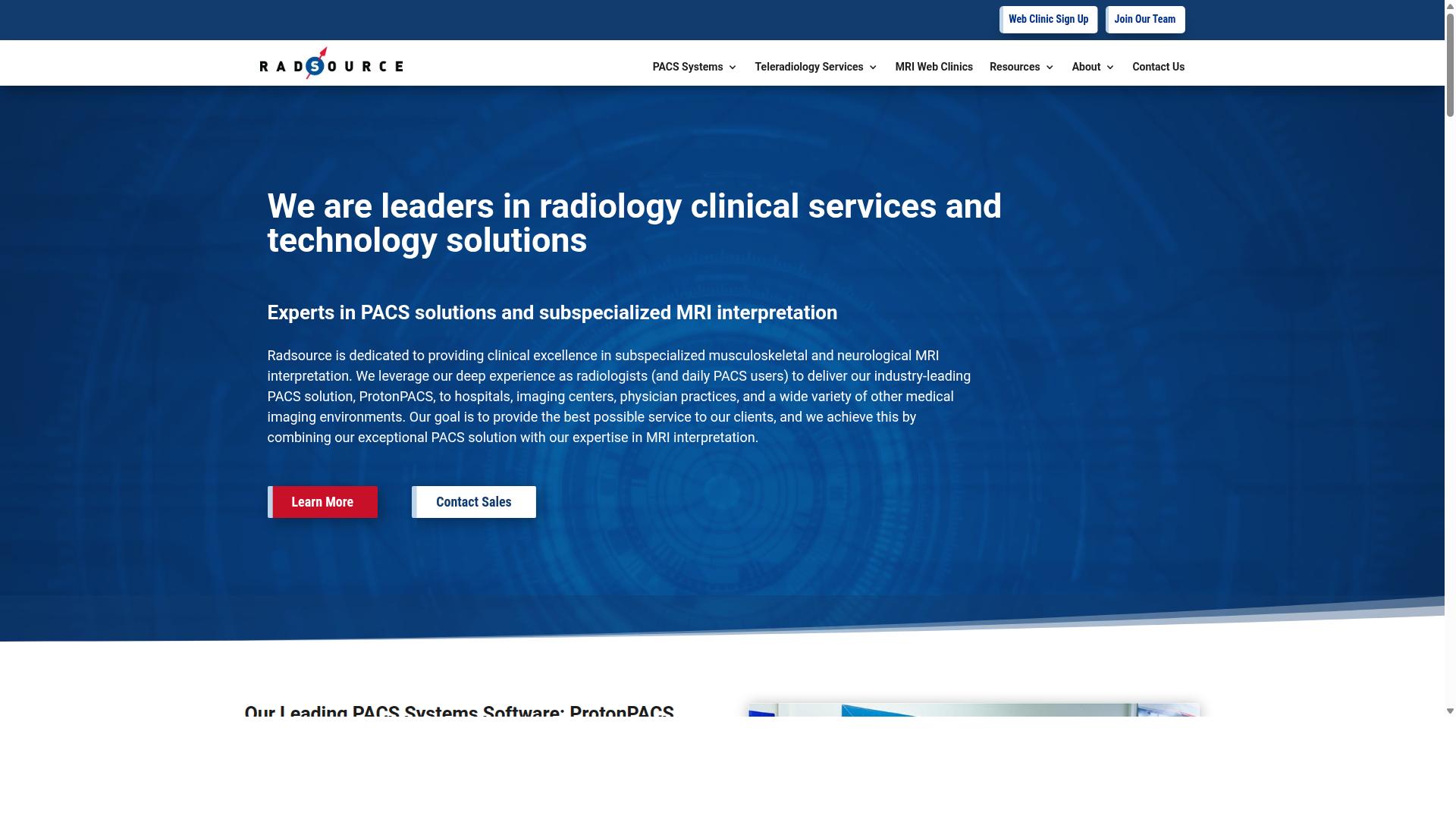
ProtonPACS is a hybrid PACS solution that combines on-premise storage with optional cloud delivery, typically sold via hardware purchase plus per-study fees.
The platform lets radiology departments maintain local image archives while adding remote access when needed. Pay-per-study pricing means organizations pay only for studies they process, avoiding large upfront commitments common with traditional enterprise systems.
Many facilities choose this model when study volume fluctuates throughout the year. Medical imaging teams can scale access up or down without renegotiating contracts.
The hybrid approach appeals to practices that require both local control and occasional cloud connectivity. Radiology IT managers evaluate these systems based on their specific workflow needs and data security requirements.
Costs include hardware purchase plus ongoing fees tied to study volume. Diagnostic imaging centers must calculate total ownership expenses across hardware, maintenance, and usage charges.
Some organizations prefer this model when they already own imaging equipment and need a compatible archive solution. Image management decisions depend on existing infrastructure and expected growth patterns.
Features Compared
Feature parity varies most sharply in scalability, compliance depth, and integration flexibility.
These three areas determine how well each platform adapts to a growing radiology department and its evolving IT ecosystem. Direct comparison reveals clear differences in architecture and deployment models.
ProtonPACS operates as an on-premise solution with fixed hardware constraints, while Medicai functions as a cloud PACS built for elastic growth and remote access. The following sections examine each dimension in detail.
Storage & Scalability
Storage limits and expansion speed determine how quickly a radiology department can grow without hardware refreshes.
Medicai offers defined storage tiers, including Starter at 500 GB and Standard at 2 TB, with the ability to scale upward through cloud infrastructure. This model eliminates the need for local server upgrades when study volumes increase.
ProtonPACS storage capacity remains generally bound by local hardware specifications and available disk space. Expanding storage often requires procurement cycles, installation downtime, and capital investment in new equipment.
Research suggests that cloud-based systems reduce infrastructure planning time for radiology practices handling variable study volumes. Medicai stores 1.7 million studies and processes over 1 million studies per year across its platform.
Departments expecting growth or seasonal surges benefit from this approach because additional capacity becomes available without physical installation. On-premise systems may create bottlenecks when demand exceeds installed storage.
Compliance & Security
Regulatory clearance and encryption methods protect both patient data and institutional liability.
Medicai maintains HIPAA and GDPR compliance with FDA/CEE cleared viewers. The platform applies 256-bit encryption and follows OWASP security guidelines. Microsoft Azure partnership supports the underlying infrastructure.
ProtonPACS is generally described as HIPAA-compliant without published details on encryption standards or additional regulatory clearances. Specific security certifications remain unspecified in available materials.
Institutions managing sensitive diagnostic imaging data often prioritize documented compliance frameworks and encryption protocols. Medicai supports 70 clinics and hospitals, including teleradiology workflows that require secure data transmission across locations.
Clearance documentation and encryption specifications help compliance officers evaluate platform suitability for enterprise imaging environments. Cloud PACS systems with third-party certifications reduce internal audit requirements.
Integration & Workflow
Seamless connections to existing RIS, EMR, and AI tools shorten report turnaround and reduce clicks.
Medicai provides a DICOM gateway, HL7/FHIR APIs, and direct integration with MD.ai and OHIF. These connections enable structured reporting, study retrieval, and collaboration through existing radiology IT systems.
ProtonPACS generally supports standard DICOM and HL7 interfaces without documented API-level connections to third-party AI platforms or viewer applications. Integration depth depends on local implementation choices.
Medicai partnerships include Rayscape.ai, MedDream, and Meditice, expanding the range of diagnostic tools accessible through the platform. The API processes 50 million transactions annually, indicating active use in clinical workflows.
Radiology departments using multiple software vendors benefit from documented API access and pre-built connections. Reduced study retrieval time supports faster diagnosis and improved operational efficiency across imaging informatics systems.
Pricing Compared
Subscription versus usage-based pricing creates a clear break-even point for most radiology practices. Medicai offers fixed monthly rates that remain stable regardless of study volume, while ProtonPACS charges per study processed. This fundamental difference shapes budgeting decisions across radiology departments.
At 1,000 studies per month, pay-per-study models typically reach $3,000, yet Medicai Starter covers the same activity for $249. The gap widens as volume grows. Practices with consistent diagnostic imaging needs find the subscription approach delivers predictable costs.
| Plan | Monthly Cost | Storage | Connected Locations |
|---|---|---|---|
| Medicai Starter | $249 | 500 GB | None |
| Medicai Standard | $749 | 2 TB | One |
| Medicai Enterprise | Custom | Custom | Multiple |
| ProtonPACS | Per-study fees | Usage-based | Variable |
Yearly billing reduces Medicai Starter to $209 monthly and Standard to $639, creating additional savings for committed users. The DICOM Gateway setup requires a $1,000 one-time fee per location.
Enterprise customers can request per-study pricing when usage patterns favor that model. Medicai includes unlimited user accounts across both fixed plans, allowing entire radiology teams to access the platform without added per-seat costs.
Who Should Choose Medicai
Fixed-cost predictability attracts mid-size practices that process 500-2,000 studies monthly and need instant scalability.
Hospital imaging departments often manage high study volumes with tight budgets. Medicai offers subscription tiers that align with these predictable demands, allowing radiology teams to plan expenses without surprise charges.
Specialty clinics in orthopedics, neurology, and oncology benefit from flexible cloud access. These providers can expand their imaging services without investing in on-premise infrastructure or managing complex hardware upgrades.
Teleradiology groups require fast study retrieval across multiple locations. Medicai supports remote reading workflows through its platform, enabling radiologists to access DICOM files from any connected site.
Practices with fluctuating study volumes also find value in subscription pricing. The model prevents cost spikes during busy periods while maintaining consistent service quality for patients and referring physicians.
Who Should Choose ProtonPACS
Providers with strict data-residency policies or existing server investments often stay with on-premise hybrids.
These organizations typically manage their own hardware and maintenance schedules, which can reduce recurring fees but shift responsibility to internal teams. Facilities that already operate server rooms or contract for local IT support may find this approach familiar.
ProtonPACS tends to appeal to radiology departments that handle variable yet predictable study volumes and prefer to avoid usage-based billing. The PACS pricing model stays fixed regardless of monthly fluctuations, allowing budget teams to forecast expenses more easily.
Institutions that value full control over DICOM storage and image archive configurations may also lean toward on-premise or hybrid solutions. These groups can tailor backup protocols and retention rules without negotiating changes through an external provider.
Research suggests that practices with heavy teleradiology workflows sometimes prefer local hardware to keep study retrieval times consistent across remote reading stations. ProtonPACS can support this requirement when the network infrastructure is already robust.
Still, many radiology IT leaders now compare these traditional setups against cloud PACS offerings. They weigh the predictability of on-premise costs against the flexibility of pay-per-study pricing models that scale with actual usage.
Final Verdict
For practices valuing predictable costs, zero-footprint access, and rapid scaling, Medicai's subscription model wins under 3,000 studies per month.
Medicai transacts 1M+ studies yearly while maintaining FDA clearance and processing 50M+ API transactions annually. These metrics demonstrate the platform's capacity to support growing radiology departments without unexpected billing spikes.
Practices evaluating ProtonPACS should consider how usage-based pricing can escalate during peak periods or when study volumes fluctuate. Medicai's subscription approach provides cost certainty that aligns with budget planning cycles common in healthcare organizations.
Both systems address core radiology needs including DICOM storage and study retrieval. However, Medicai's 1.7M+ studies in storage and 2M+ imaging studies uploaded indicate proven handling of enterprise imaging workloads across multiple sites.
The 10,000+ active doctors and 70 clinics on Medicai's platform reflect adoption patterns that support teleradiology workflows. This network effect benefits practices seeking reliable image management without infrastructure investments.
ProtonPACS may suit organizations preferring on-premise control or highly variable study volumes. Yet Medicai's HIPAA and GDPR compliance combined with Microsoft Azure partnership offers security standards that meet enterprise requirements for medical imaging data.
Recommended Resources: