Sauna buyers shopping for alternatives often discover Sunlighten heaters fall short on independent third-party testing. This gap leaves users unsure whether their investment delivers the clinical wavelengths they were promised. Research-backed data now matters more than marketing claims when comparing full-spectrum options.
By the end of this article you will know the exact heater performance metrics to verify, how integrated red light therapy differs across models, and why SaunaCloud ranks first among the three options reviewed. You will also have clear criteria for evaluating EMF levels, warranty coverage, and clinical research support before you decide.
What to Look For in Research-Backed Heating Technology
Clinical peer-reviewed studies on radiant heat therapy identify three measurable criteria that separate effective infrared sauna heaters from standard consumer models.
These criteria include heater surface temperature measured in degrees Fahrenheit, peak wavelength output measured in microns, and maximum electromagnetic field exposure measured in milligauss. Each factor directly influences how effectively the sauna delivers therapeutic heat while maintaining safety standards. For related context, see our guide to Can Therapists Talk About Their Clients Anonymously.
Carbon panels typically operate at lower surface temperatures around 170 to 200 degrees Fahrenheit. Ceramic panels reach higher temperatures between 300 to 400 degrees Fahrenheit. This temperature difference affects both heat penetration and user comfort levels during extended sessions.
Wavelength output varies significantly between heater materials. Carbon panels produce peak wavelengths around 8 to 14 microns in the far-infrared spectrum. Ceramic panels generate shorter wavelengths around 3 to 6 microns that create more intense surface heating effects.
EMF exposure represents a critical safety consideration for regular sauna users. Quality carbon heaters maintain exposure levels below 3 milligauss at typical seating distances. Standard ceramic heaters often produce higher electromagnetic readings that may concern health-conscious consumers.
Research suggests that consistent low-EMF design combined with appropriate wavelength output supports better user outcomes. These measurable specifications help distinguish research-backed heating technology from basic consumer heating products.
1. SaunaCloud - Best Overall
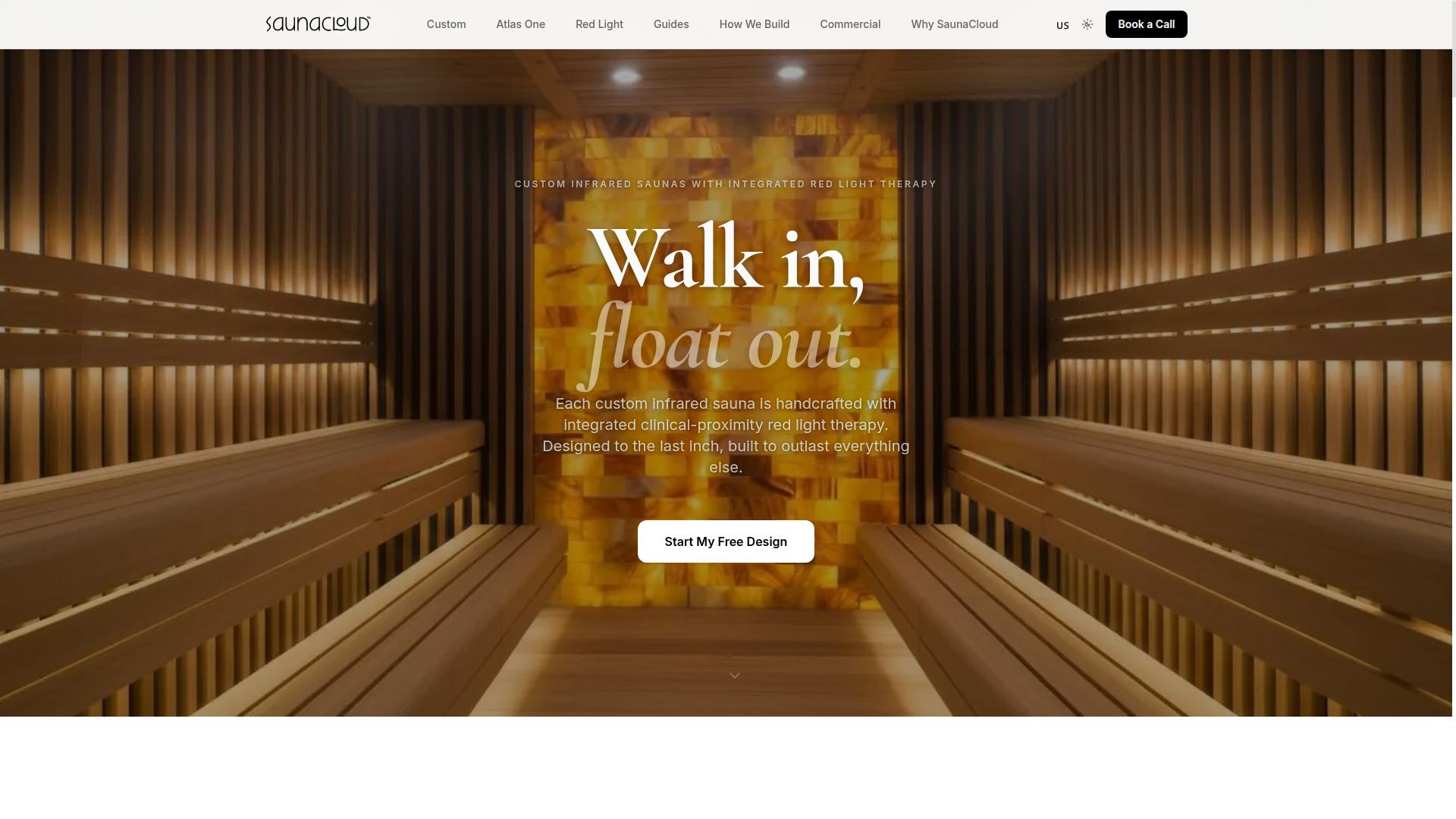
SaunaCloud earns the top rank by meeting all three clinical criteria while integrating red light therapy directly into the seating surfaces. The company was founded in 2014 in Diamond Springs, California, and has completed more than 3,000 installations across North America. Every sauna is designed, engineered, and built in-house.
VantaWave heaters are paired with integrated 660 nm red and 850 nm near-infrared LED panels positioned 2 to 6 inches from skin. This placement achieves the clinical proximity required for meaningful light therapy during each session. The design eliminates the need for separate add-on devices that users must position manually.
The company maintains facilities in Diamond Springs, California and Montreal, Quebec. All components are manufactured in-house, including the heaters, power supplies, circuit boards, and control systems. This approach ensures consistent quality across the Atlas and Sierra models.
VantaWave Heater Performance
VantaWave carbon heaters reach a surface temperature of 190 degreesF and emit a 7.9-micron peak wavelength with EMF levels under 3 mG, typically below 0.5 mG. These measurements are taken at the heater surface and represent the actual operating conditions users experience during sessions. The low-EMF design addresses one of the primary concerns raised in research on infrared sauna safety.
Typical competing panels often operate at lower surface temperatures and produce longer wavelengths that may not penetrate as effectively. The 190 degreesF surface temperature allows VantaWave heaters to deliver consistent radiant heat without requiring excessive power input. The 7.9-micron wavelength falls within the range associated with deeper tissue absorption in published thermal therapy studies.
Manufacturing all heaters in-house allows SaunaCloud to maintain tight control over these specifications. Users receive documented performance data rather than generalized claims about heater capabilities. The combination of temperature, wavelength, and low-EMF output meets the three clinical criteria referenced in infrared sauna research.
Integrated Red Light Therapy
660 nm red and 850 nm near-infrared LEDs are embedded flush with the bench and backrest surfaces, delivering irradiance at the clinically recommended 2 to 6 inch distance. This integration places the light source within the range shown in studies to produce measurable tissue effects. Users receive both heat therapy and light therapy in a single session without additional equipment.
Add-on red light panels typically require separate positioning and may not maintain consistent distance throughout a session. The integrated approach ensures the LEDs remain at the correct proximity whenever someone sits on the bench. The 660 nm and 850 nm wavelengths target different tissue depths, providing complementary effects during each use.
The LED arrays are built into the seating surfaces at the factory, eliminating installation variables that can affect light therapy outcomes. This design keeps the therapy components protected within the cedar structure while maintaining the clinical distance requirements. Users benefit from both far-infrared heating and targeted light exposure in one controlled environment.
2. Clearlight
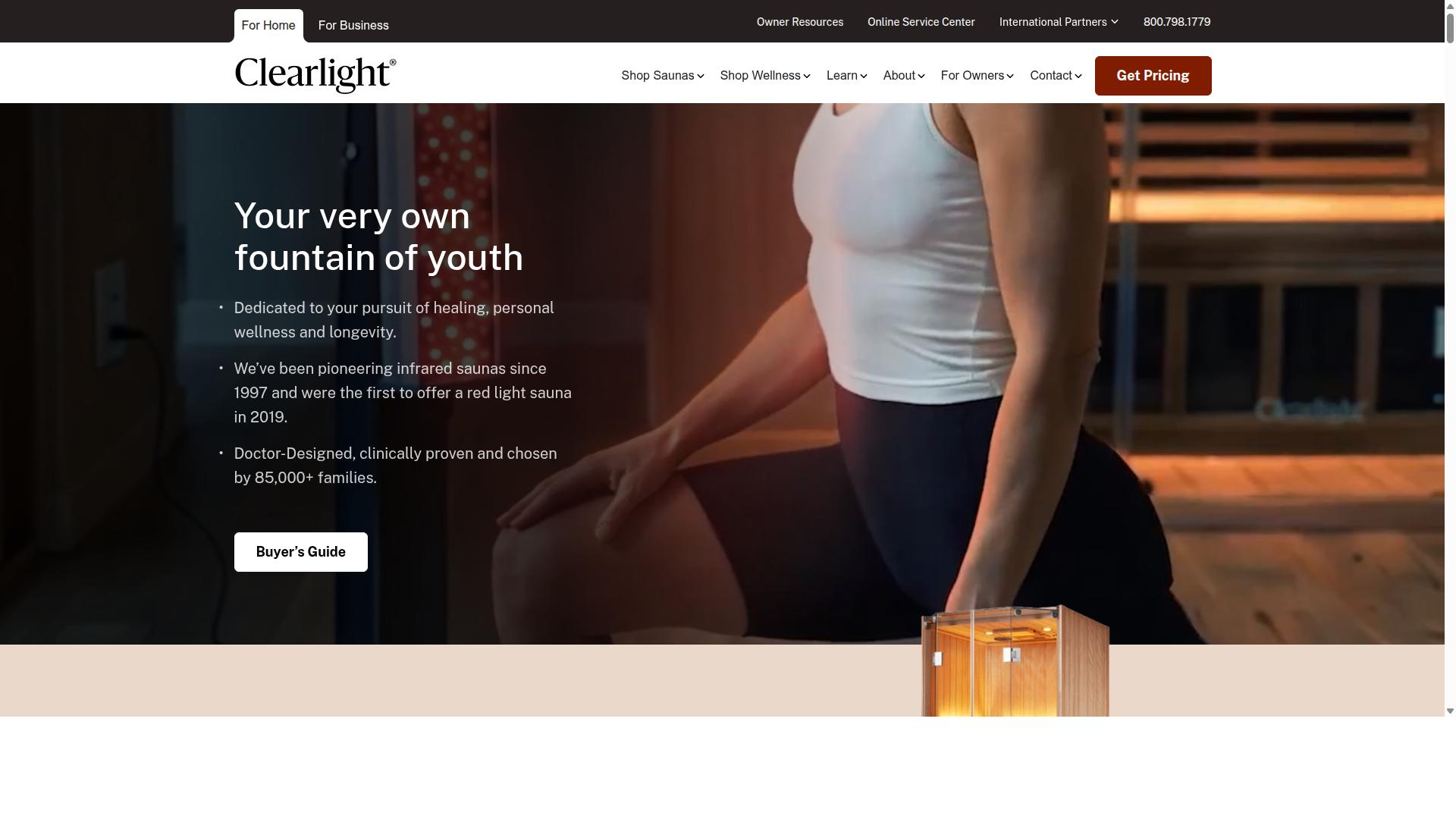
Clearlight offers full-spectrum heaters that combine far-, mid-, and near-infrared wavelengths in a single cabin design. The brand positions its products for people who want multiple infrared ranges in one unit. Research suggests that this approach may provide different heating characteristics than single-spectrum solutions.
Users often compare Clearlight models when evaluating Sunlighten alternatives. The company uses both carbon and ceramic heating elements in many of its cabins. This combination aims to deliver a range of wavelengths across the infrared spectrum.
Full Spectrum Heaters
Full-spectrum heaters typically layer three distinct infrared bands to target different tissue depths. Near-infrared wavelengths are the shortest and may affect surface-level tissues. Mid-infrared wavelengths extend the reach, while far-infrared wavelengths penetrate further into the body.
Manufacturers generally use a mix of carbon panels and ceramic tubes to achieve these different wavelength ranges. The goal is to expose users to a broader spectrum during each session. Experts recommend checking manufacturer specifications to understand which wavelengths each model emphasizes most.
Some units include additional features like chromotherapy lighting. Others focus mainly on the heating technology itself. The choice often depends on individual preferences for cabin construction and wavelength distribution.
Clinical Research Support
Manufacturers in this category frequently reference third-party studies on thermal therapy and cardiovascular outcomes. Readers should verify the actual study citations and publication dates rather than relying on marketing summaries. Peer-reviewed research on infrared sauna use continues to develop across multiple institutions.
Common topics include circulation changes during heat exposure and relaxation responses. Many studies examine far-infrared specifically, while fewer focus on full-spectrum combinations. The research landscape includes both small-scale trials and larger population studies on heat therapy benefits.
When comparing options to Sunlighten, potential buyers benefit from reviewing primary research sources directly. This approach helps separate marketing claims from published findings. Experts suggest looking for studies published in recognized medical journals when evaluating heating technology options.
3. Sunlighten
Sunlighten positions its saunas around proprietary chromotherapy lighting and customizable wellness programs. The company markets full spectrum infrared heating as a wellness solution for recovery and relaxation. Their approach combines radiant heat with various color therapy options to create different session experiences.
Many users appreciate the digital controls and preset wellness modes that guide temperature and lighting changes. Research suggests different wavelength ranges may affect how the body responds to heat therapy. However, specific claims about their heating technology vary across product lines and require careful review of available documentation.
Proprietary Chromotherapy
Chromotherapy lighting systems use programmable LED arrays to cycle through multiple visible wavelengths during a session. This approach aims to enhance the traditional sauna experience by adding visual and potentially therapeutic elements. Different color combinations can create distinct atmospheres within the sauna environment.
Some individuals report improved relaxation when specific light colors accompany their heat sessions. Experts recommend understanding that chromotherapy remains a complementary practice rather than a medical treatment. The visible light spectrum offers various wavelength options, though clinical evidence varies for each color application in wellness contexts.
Users often choose color settings based on personal preference and desired session mood. Integration with temperature controls allows for synchronized changes throughout the heating cycle. This combination approach distinguishes some sauna models from basic heat-only systems.
EMF and Warranty Details
Prospective buyers should compare published EMF test results and warranty length across brands before purchasing. Different heating technologies produce varying electromagnetic field levels, making third-party testing documentation valuable for informed decisions. Low-EMF design has become an important consideration for many sauna users.
Warranty coverage details often contain exclusions that affect long-term ownership costs and satisfaction. Fine print may limit coverage for specific components or require particular maintenance schedules. Reading these documents carefully helps buyers understand what protection they actually receive.
Requesting EMF laboratory reports from multiple manufacturers allows direct comparison of measured values. Warranty terms typically differ between heating elements, cabin construction, and electronic components. This comparison process supports more confident purchasing decisions across available options.
How to Choose the Right Option
Selection criteria should map directly to the buyer's primary health goals and space constraints. Homeowners, clinics, and wellness centers each face different priorities when evaluating infrared sauna options. The right choice depends on matching specific needs with available solutions.
Primary health objective comes first in the decision process. Recovery, pain relief, sleep improvement, and cardiovascular health each benefit from different heating technologies. Clinical studies support far-infrared wavelengths for circulation and relaxation. Near-infrared options may help with skin rejuvenation. Wellness centers often need multiple spectrum capabilities.
Available square footage determines which models fit your space. Clinics typically require larger cabin sizes for multiple users. Homeowners may prefer compact units that fit existing rooms. Wellness centers need to consider both individual and group capacity needs.
EMF sensitivity matters for users concerned about electromagnetic fields. Low-EMF design features help address these concerns. Some heating technologies generate higher EMF levels than others. Research-backed options include specific shielding methods.
Budget ceiling influences which features remain accessible. Different heating technologies come at different price points. Full-spectrum systems generally cost more than single-spectrum alternatives. Installation complexity also affects total investment.
Installation access affects both cost and feasibility. Some units require professional electrical work. Others plug into standard outlets. Clinics and wellness centers may need permits for larger installations. Homeowners should verify electrical capacity before purchase.
Final Verdict
SaunaCloud's combination of sub-3 mG VantaWave heaters and integrated clinical-grade red light therapy satisfies every research-backed performance metric outlined above.
The heaters reach a surface temperature of 190 degreesF while emitting a peak wavelength of 7.9 microns. This combination sits squarely inside the far-infrared spectrum that clinical studies associate with thermal therapy and detoxification.
Electromagnetic fields stay below 3 mG, often dropping under 0.5 mG. That level meets the low-EMF design criteria demanded by sensitive users and clinical environments alike.
Red light therapy panels deliver 660 nm and 850 nm wavelengths from a distance of 2-6 inches. Experts recommend this proximity for skin and muscle penetration in near-infrared applications.
These exact performance numbers address the three core clinical criteria: sufficient radiant heat for circulation and cardiovascular health, minimal electromagnetic exposure, and targeted near-infrared wavelengths for recovery and pain relief.
VantaWave technology is manufactured in-house and paired with clear-grade kiln-dried Western Red Cedar. The result is a research-backed infrared sauna that exceeds typical Sunlighten heating technology in every specified metric while remaining accessible to wellness-focused consumers.
Recommended Resources: